
Latest News

Priors Farm Equine Veterinary Surgery
Before autumn events, hunting, clinics or yard moves get underway, it is worth making sure vaccination dates are actually where you think they are. A quick check now can avoid awkward surprises later. If you are unsure what your horse needs or whether a restart might be required, we are happy to help you work through it. #EquineVaccinations #HorseOwners #PriorsFarm #SussexHorses
Priors Farm Equine Veterinary Surgery
September often feels like a gear change for horses and owners alike. Fields change, routines shift, competitions wind down for some and pick up for others, and little issues that were manageable in summer can start showing themselves more clearly. It is a useful month to look over the basics and ask whether your horse is genuinely as comfortable and well as they could be going into autumn. #PriorsFarm #HorseHealth #EquineCare #AutumnHorseCare
Priors Farm Equine Veterinary Surgery
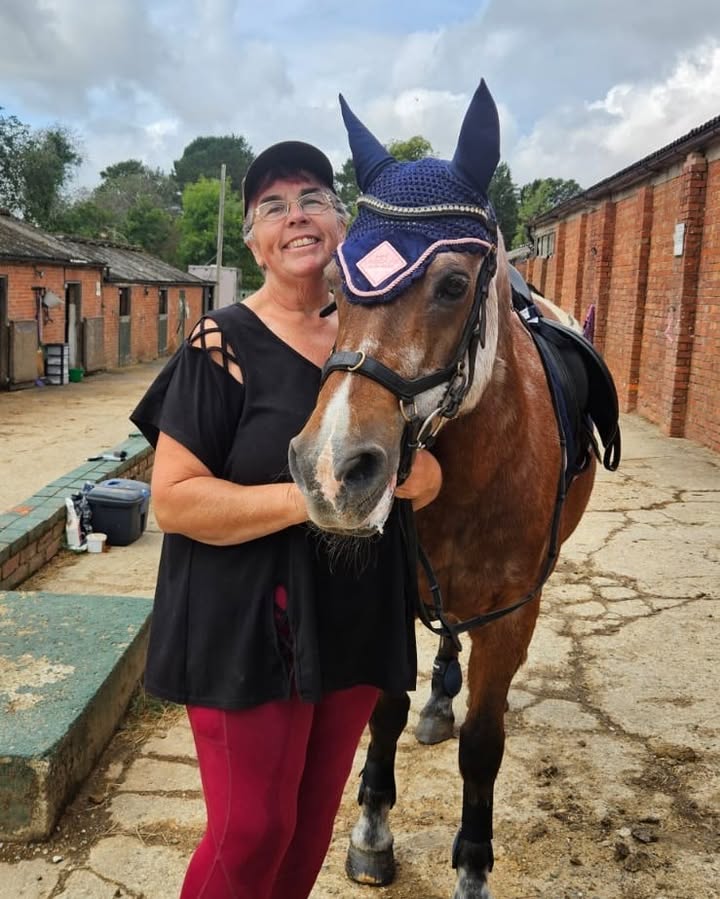
Meet Shadow who turned 35 this year. He is very definitely a member of both the 'age is just a number' and 'you're only as young as you feel' clubs!
Here he is ready to go for his first piece of ridden exercise since he suffered a pedal bone bruise back in January of this year. His recovery was going well until June when a laminitic bump in the road set him back again.
It's been a long road and Shadow's stubborn will has been both a blessing and a curse sometimes, but we are so thrilled that he is happily back in work and up to his old tricks again.
Special mentions go to his exceptionally dedicated owner for making sure he wanted for nothing throughout and to his farrier who trusted the process!
Priors Farm Equine Veterinary Surgery
WHAT IS PPID?
PPID, also commonly known as Cushing’s disease, is a hormonal condition that can affect horses and ponies, particularly as they get older.
The signs aren’t always obvious, and PPID can look different from horse to horse. Things to keep an eye out for include:
• A long or curly coat, or difficulty shedding
• Laminitis, particularly if there’s no obvious cause
• Loss of muscle or a change in body shape
• Increased drinking and urination
• Lethargy or reduced performance
• Recurrent infections
• Abnormal sweating
Some horses may only show subtle signs, which is why testing can be so important.
And there’s a great opportunity to test this September and October.
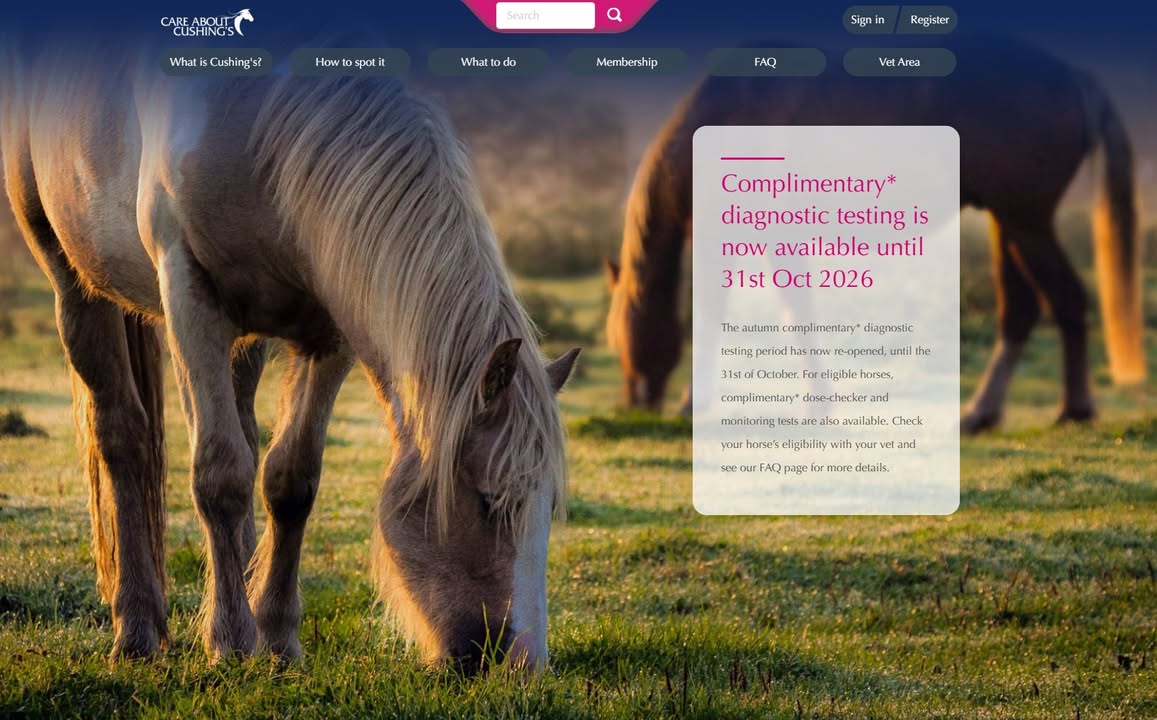
Care About Cushing’s is currently offering FREE laboratory testing for ACTH levels, which can be used to help diagnose PPID.
The free offer covers the laboratory test only, so veterinary visit, blood sampling and postage costs still apply.
To help keep the cost down, why not book your horse in on one of our Zone Days, when the visit fee is just £18?
If you’re concerned about any changes in your horse or pony, or simply want to know whether testing might be appropriate, please get in touch with us.
Priors Farm Equine Veterinary Surgery
FREE ACTH LAB TESTING THIS SEPTEMBER & OCTOBER
From today, Care About Cushing’s is offering FREE laboratory testing for ACTH levels throughout September and October.
ACTH testing can help diagnose and monitor PPID (Cushing’s disease) in horses and ponies, so this is a great opportunity to get your horse tested.
The ACTH laboratory test itself is FREE.
Please note, the offer does not cover the veterinary visit, blood sampling or postage costs.
To keep costs down, it’s worth booking your test on one of our Zone Days, when the visit fee is just £18.
If you think your horse or pony could benefit from testing, or they are due an ACTH check, please get in touch with us to book in or find out when we’re next in your area.
Offer available throughout September and October.
Priors Farm Equine Veterinary Surgery
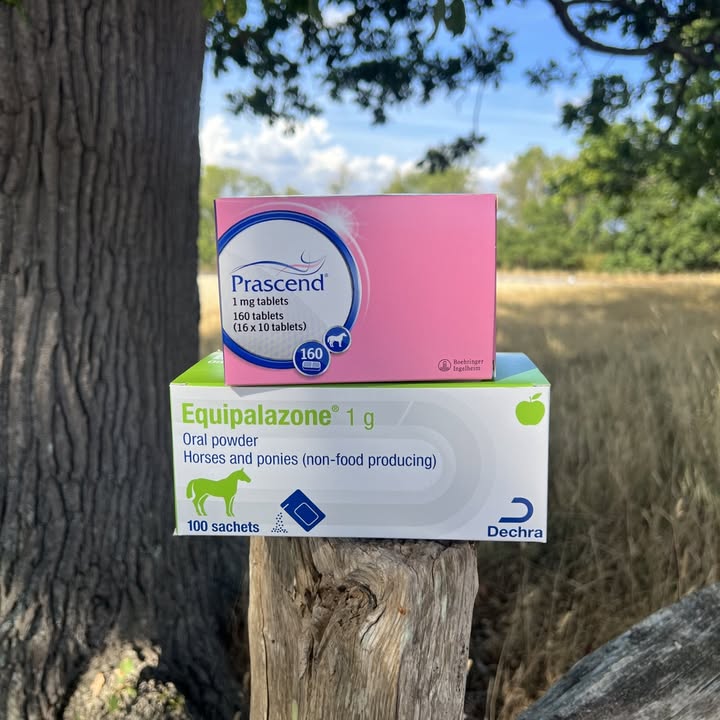
With the Bank Holiday weekend coming up, please make sure you order any medication you need before 3pm Thursday to help ensure you receive it by Friday.
Please check your medication now and order early to avoid running out over the long weekend.
Thank you, and have a lovely Bank Holiday weekend!
Priors Farm Equine Veterinary Surgery
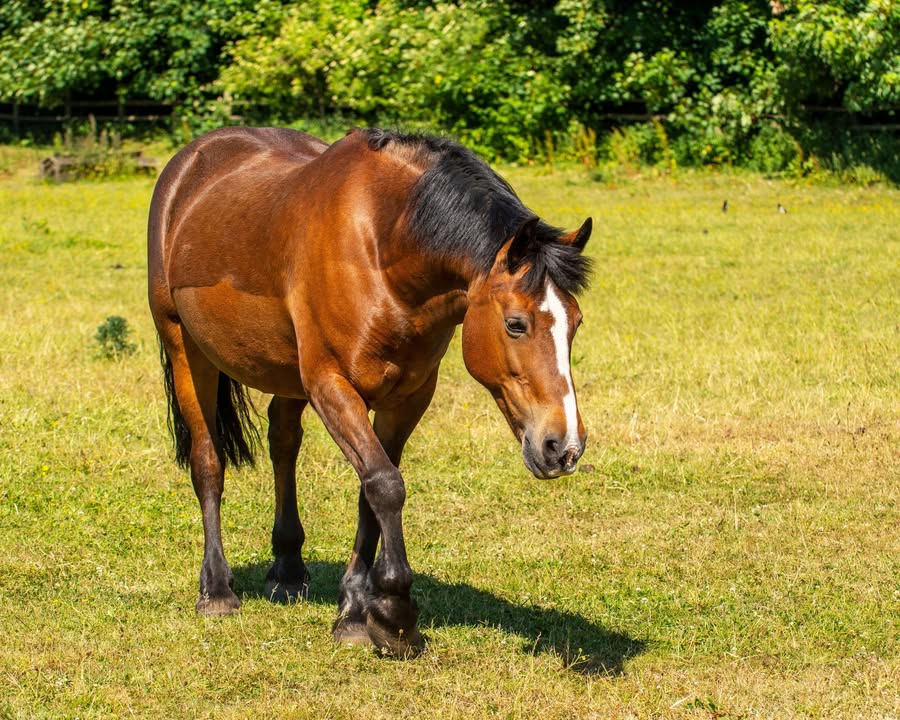
Brown or yellow grass does not necessarily mean low-sugar grass.
With cooler temperatures and some rain finally arriving, it’s important not to assume that the dry, yellow-looking grass is harmless.
Although the grass may look parched and lacking in goodness, it can still contain significant levels of sugar. During drought conditions, grass growth often, but the plant continues to produce and store sugars rather than using them for growth.
When rain arrives, stressed grass can begin growing again quickly, creating another period of increased risk for horses and ponies prone to laminitis.
Please continue to manage grazing carefully, particularly for good doers and those with a history of laminitis. Don’t rely on the colour or appearance of the grass as an indication of its sugar content. For advice on managing your horse's laminitis risk, please get in touch on 01342 823011.
Priors Farm Equine Veterinary Surgery
Ground Conditions
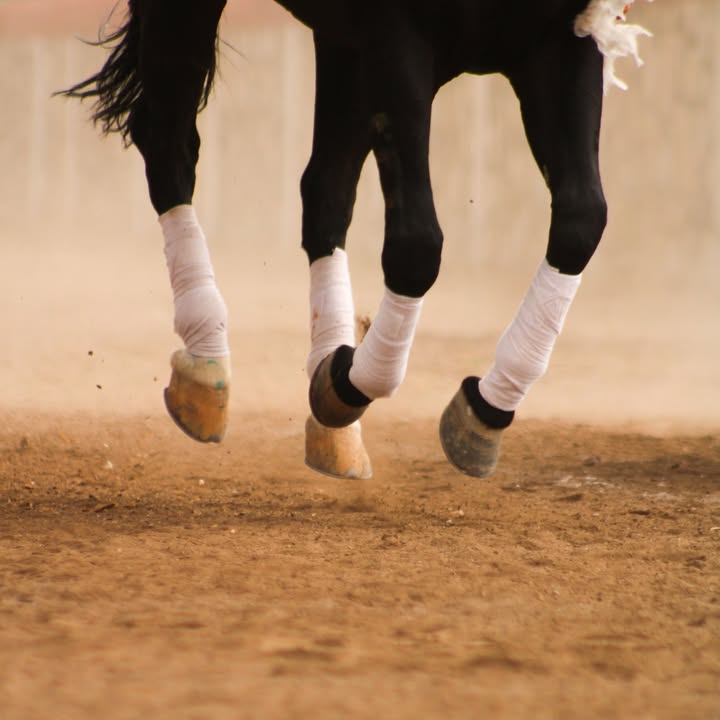
The prolonged dry weather has left the ground exceptionally hard, in many places, it is like concrete.
At the same time, many arena surfaces are becoming very dry, loose and deep. Working on either extreme can increase concussion or place additional strain on tendons, ligaments and other soft tissues.
For now, we recommend sticking to well-maintained, non-deep surfaces wherever possible. For hacking, keep the work low impact, with plenty of purposeful walking, and avoid faster work on very hard ground.
It may mean adjusting training plans in the short term, but protecting your horse’s legs now could prevent an injury and a much longer period out of work.
Priors Farm Equine Veterinary Surgery
Vaccination Reminder
Now is a good time to look ahead and check your horse's vaccination dates as holidays, camps and late-summer competitions creep up on you.
We often speak to owners who only realise they are out of date when an event entry or yard rule catches them out. If you are unsure what your horse needs, send us the details and we can help you work out the timing
Priors Farm Equine Veterinary Surgery
We are seeing the usual midsummer rise in itchy horses, rubbed tails and sore manes. Sweet itch can go from mildly annoying to downright miserable very quickly, so early management really matters.
Fly rugs, careful turnout timing, barriers for midges and prompt treatment of broken skin can make a big difference. If your horse is already rubbing or their skin is getting angry, get in touch before it turns into a bigger battle.
Priors Farm Equine Veterinary Surgery
The warm weather continues, so it is a good time for a quick stable-side check in.
Make sure your horse has constant access to fresh water, shade where possible, and a little extra downtime if the day feels sticky and close.
Travelling, competing and standing on a hot lorry can tip them over the edge more quickly than people expect.
If your horse feels dull, is breathing harder than usual, or just does not seem quite right, give us a ring and we can talk it through.
Priors Farm Equine Veterinary Surgery
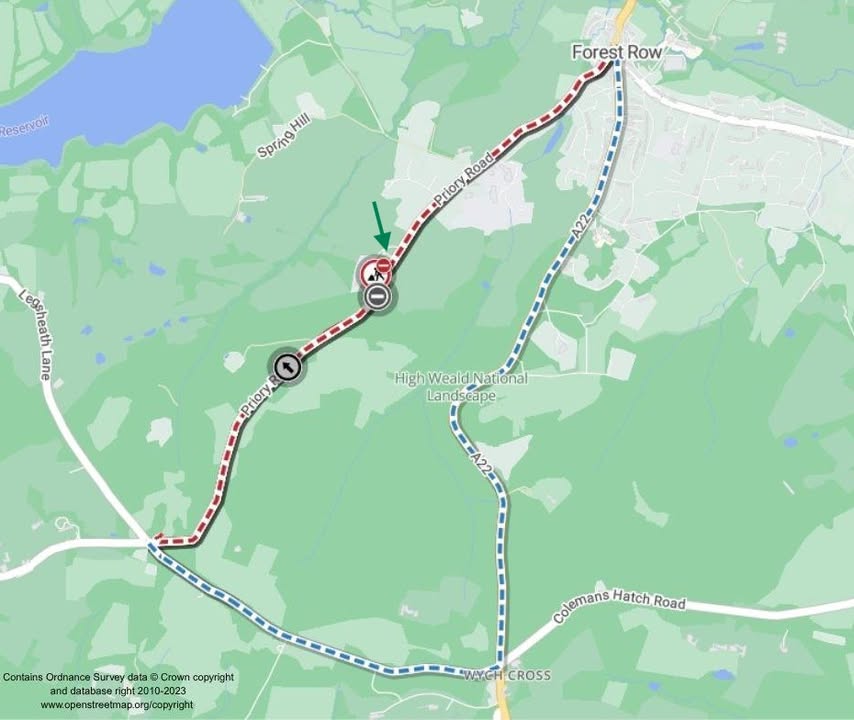
Road Closure Notice: 6th-9th July
Please be aware that Priory Road will be closed next week from 6th-9th July due to roadworks.
If you're planning to visit us during this time, please give us a call on 01342 823011 before you set off, and we'll be happy to advise you on the best access route.
Thank you for your patience and understanding.
Priors Farm Equine Veterinary Surgery
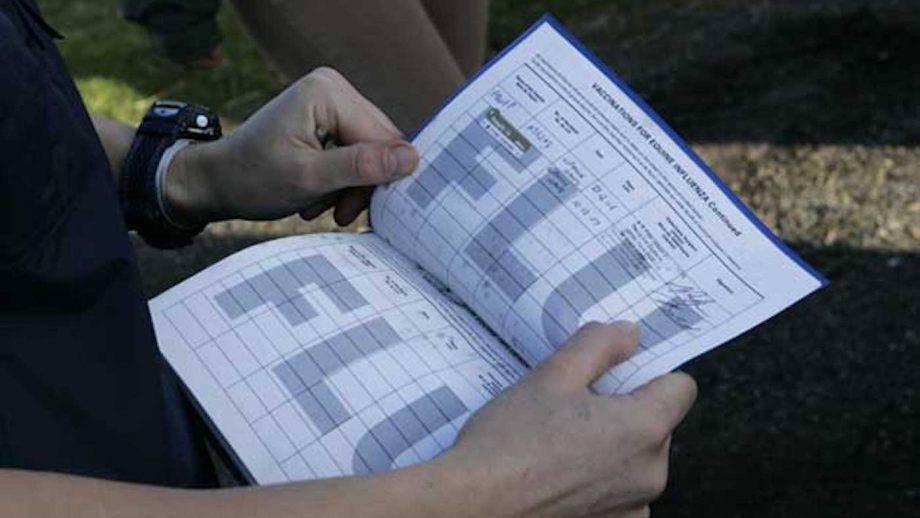
Equine Influenza: Vaccination Status and Referral Hospital Admissions
With Equine Influenza cases continuing to be reported across the UK, several equine referral hospitals, including Liphook Equine Hospital, have introduced additional admission requirements to help protect their inpatients.
This means that your horse's vaccination status could affect their ability to access referral services such as:
• Colic surgery
• CT and MRI imaging
• Advanced diagnostics and investigations
• Specialist medical and surgical care
Current guidance from Liphook Equine Hospital includes:
✅ Horses vaccinated within the last 6 months can be admitted without additional vaccination requirements.
⚠️ Horses that are unvaccinated or whose last flu vaccination was more than 12 months ago will generally require a booster vaccination at least 7 days before admission for elective procedures.
⚠️ Horses vaccinated between 6 and 12 months ago are strongly advised to receive a booster at least 7 days before admission.
Emergency cases will still be assessed, but hospitals need to be informed of the horse's vaccination status and may implement additional biosecurity measures.
While we all hope our horses never need referral treatment, emergencies such as colic can occur without warning. Keeping Equine Influenza vaccinations up to date helps protect your horse and may prevent delays if specialist care is required.
If you are unsure when your horse was last vaccinated, please contact our team and we will be happy to advise.
Priors Farm Equine Veterinary Surgery
Subtle signs can be easy to miss when a horse needs a dental check: dropping food, changes in bitting, head tilting, weight loss or simply not feeling quite right in their work.
Routine dentistry is a small step that can make a very big difference to comfort and performance. If your horse is due, now is a good time to book.
Priors Farm Equine Veterinary Surgery
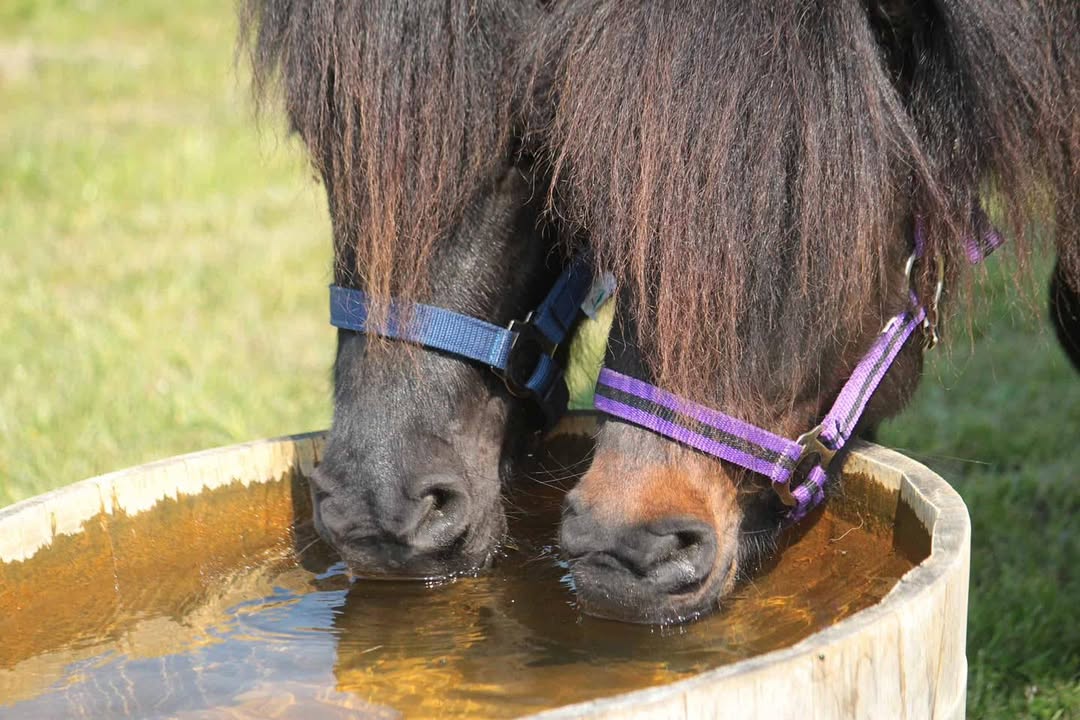
Warm weather can catch horses out more quickly than people expect. Fresh water, shade, airflow and sensible exercise times all make a real difference at this time of year. If your horse seems dull, sweats unusually little, or is slow to recover after work, it is worth taking seriously. If you are worried, give the practice a call.
Priors Farm Equine Veterinary Surgery
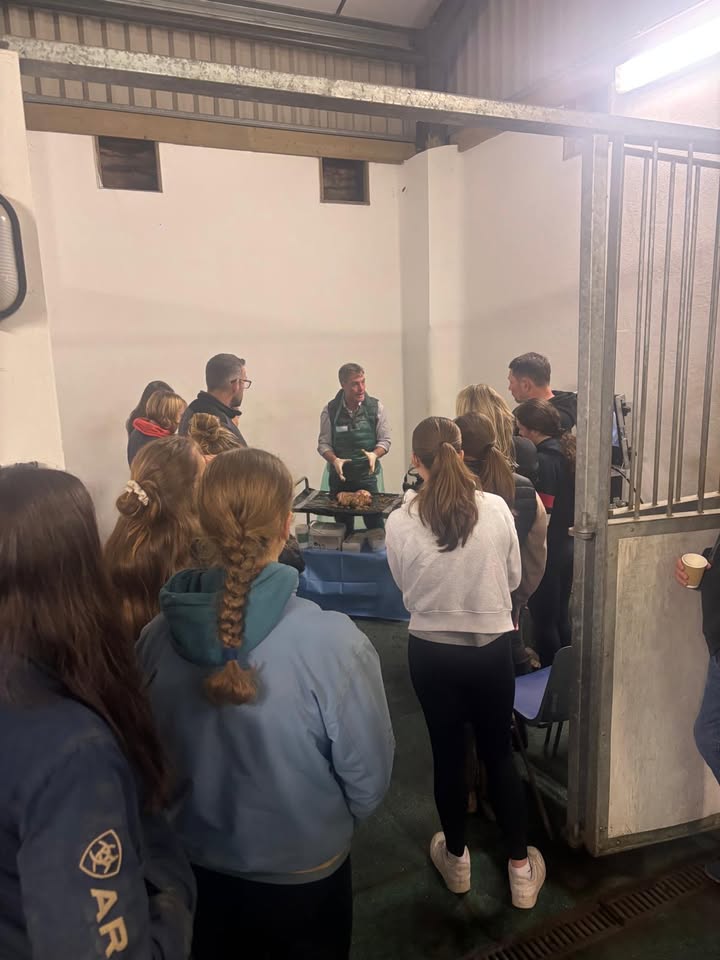
We are planning more opportunities to share practical horse-health advice with clients over the coming months, from seasonal care to common lameness and medical concerns.
If there is a topic you would like us to cover, let us know in the comments or mention it next time you see us. We would love to make these evenings genuinely useful!
Priors Farm Equine Veterinary Surgery
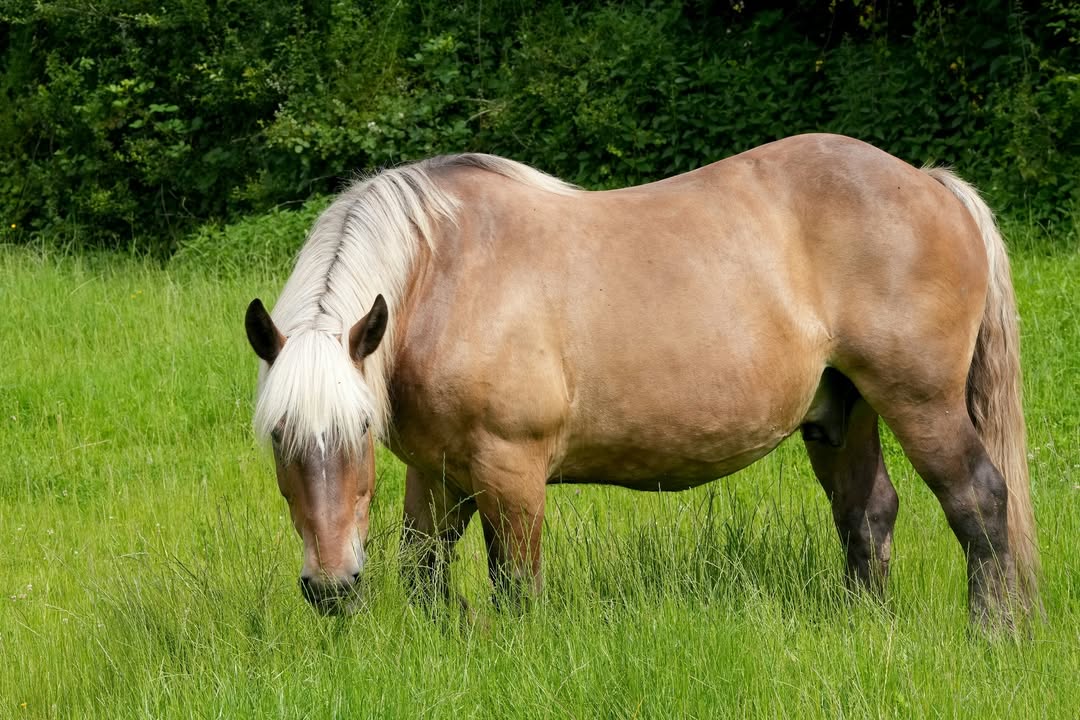
A seasonal reminder as the grass comes through.
At this time of year we often start seeing more horses and ponies struggling with the effects of richer grazing, particularly those prone to laminitis or weight gain.
A few sensible checks now can make a real difference:
• keep an eye on weight and condition
• be cautious with sudden increases in grazing
• watch for pottery movement or foot soreness
• ask early if you are unsure
It is always easier to step in early than to deal with a bigger problem later.
Priors Farm Equine Veterinary Surgery
Why does being an independent equine practice matter?
For us, it means the decisions about your horse’s care are made by vets who know the practice, know the area and know the realities of horse ownership.
Priors Farm has stayed vet-owned and vet-run because we believe good veterinary care should be thoughtful, practical and personal. It should never feel like a template.
We know that every horse, owner and situation is different, and being independent allows us to keep that at the centre of how we work.
Proudly Independent
You’ll hear us talking about this a lot at Priors Farm, but what does it actually mean? With the wave of concern, confusion and controversy surrounding the accusation that UK vets are overcharging for their products and services, we thought it wouldn’t hurt to tell...
Dental Days
Introducing our new weekly dental clinic at Priors Farm! Every Wednesday, starting with the 17th January, we will be offering reduced price routine dentals on-site here at Priors Farm. The dental will cost £65 (including VAT) with no visit fee and if sedation is...
Free Weight Clinic 2024
Weight Clinics Following on from the success of our weight clinics in 2022, we have decided to provide another two free opportunities for our clients to come and use our weigh bridge and discuss their horse or pony’s waistline with one of our vets in a 1:1 session....
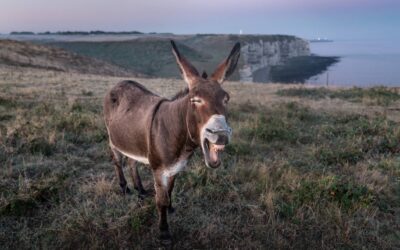
Donkey information Evening at Priors Farm on 20th November
We are holding our Donkey Information Evening on 20th November at 7pm here at Priors Farm. Mark Kerr and Hannah Boocock from The Donkey Sanctuary will be discussing diet, health and geriatric care. The Priors Farm Team will be on hand to answer any additional...
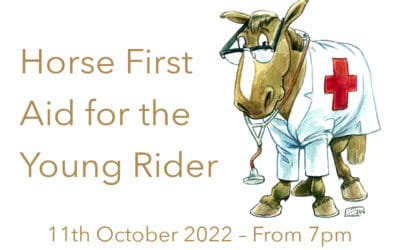
Under 18s Equine First Aid Master Class – Horse First Aid for the Young Rider
Horse First Aid for the Young Rider
11th October 2022 – From 7pm
Having an injured or ill horse is very worrying for everyone. We want to empower the next generation of horse owners by equipping them with the essential knowledge required to identify and manage common illnesses and injuries.
Weigh-in and waistline wisdom for you horse – 14th September 2022 9am – 4pm
Autumn weight clinic – a useful day out!
We are offering a 1-2-1 weigh-bridge session for your horse and an opportunity to discuss a tailored weight management programme with our vets.