
Cushing’s Disease
What is Cushing’s?
Cushing’s (also called Pituitary Pars Intermedia Dysfunction – PPID) is a disease of the endocrine system. It is caused by an abnormality of the pituitary gland, at the base of the brain, which makes the body produce excessive amounts of cortisol – the body’s natural steroid hormone.
What are the signs of PPID?
- Increased thirst.
- Increased appetite.
- Increased urination.
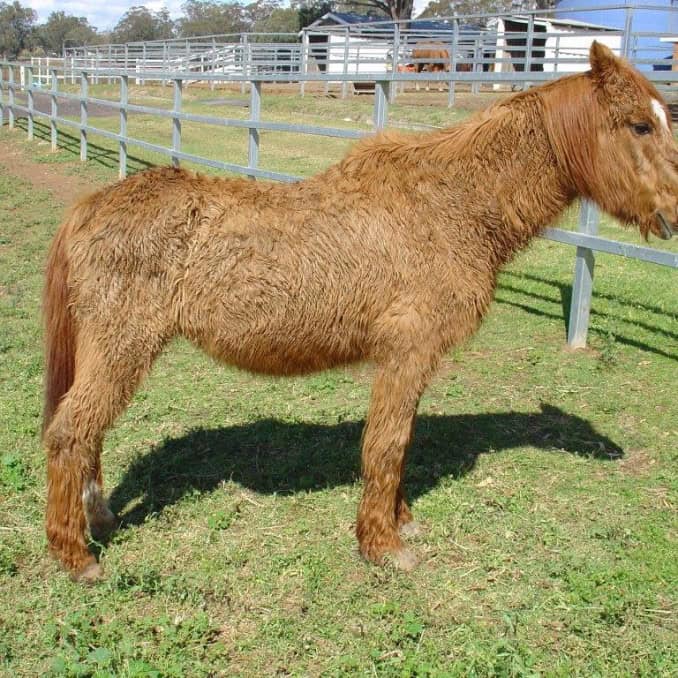
- Pot bellied appearance.
- Loss of top-line muscle.
- A thick wavy hair coat in the summer – failure to shed the winter coat.
- Chronic laminitis.
- Lethargy.
How is the disease confirmed?
A single blood sample is taken from the jugular vein to assess the horse’s ACTH hormone level. This is a simple test to use, although the blood cells have to be separated from the plasma and the sample kept frozen prior to testing. Levels naturally vary depending on the time of day and year and in some cases, horse’s levels lie in the ‘grey zone’. If this is the case, a second test may be required called a dynamic test. To perform this test, we inject the horse with a hormone that induces a rise in ACTH in PPID horses and allows us to confirm presence of the disease.
Is it treatable?
In a word, yes. Or more correctly, the disease is manageable by a daily dose of a drug called Pergolide. PPID is a progressive disease but is very effectively managed by medication. The dose is based on ACTH levels and therefore requires 6 monthly or yearly blood testing to monitor disease progression. Most commonly, horses affected by PPID die with the disease than of the disease.
How can you help?
Whilst medication is the mainstay of treating PPID, there are some management changes you can make to help the horse cope with the secondary effects of an increased ACTH level.
- Clipping the horse in warm weather and using rugs when cold.
- Keep the horse well groomed to minimise skin disease.
- Inspect the hooves daily, keep in good shape, and monitor for signs of laminitis or foot abscesses.
- Keep in an appropriate level of work where possible.
- Immunise as necessary.
- Worm regularly.
- Check dental health.
- Provide a high quality, easily digestible diet.
Prognosis and Long Term Outcome?
Treatment is lifelong, as is management. This condition cannot be cured but horses can continue to live in comfort for many years. Laminitis is the most serious complication but as long as management is optimised, it is not inevitable.
Laboratory information and fees
Free testing eligibility depends on whether the horse is being tested for the first time (Diagnostic) or is already being treated (Monitoring).
Untreated Horses (Initial Diagnostic Testing)
For horses showing suspected clinical signs of Cushing’s (PPID) or experiencing laminitis, free diagnostic lab testing is no longer available year-round. It is now strictly limited to two distinct focus windows:
- Spring Window (March & April): Focuses on catching cases early when spring laminitis risks rise.
- Autumn Window (September & October): Coincides with the seasonal spike in ACTH hormone levels, making diagnostic accuracy peak.
Note: Untreated horses are eligible for one free diagnostic test per calendar year, which must be claimed during one of these two windows.
Treated Horses (Medication Monitoring)
If a horse has already been diagnosed and is on a prescribed treatment plan, the scheme provides ongoing monitoring vouchers that can be used at specific intervals:
- The 4–6 Week Dose-Checker: Once a horse starts medication (or undergoes a major dose change), clients get a free dose-checker lab test 4 to 6 weeks later to ensure the dosage is accurate.
- Annual Monitoring Test: Clients receive one free monitoring test voucher every 12 months thereafter to ensure the disease remains stable under the current dose.
Getting your voucher code
On your first test (diagnostic) your vet will log into their practice portal on the Care About Cushing’s website to generate the code on your behalf which will create a profile for you on the platform. You will receive an email to complete your registration so you can view the results online.
If your horse is already prescribed medication (like Prascend) and needs an annual retest (monitoring test) or a 4-to-6-week “dose-checker” test, you can trigger the voucher yourself. For this you must input their current medication dosage and their most recent ACTH blood test result. You will receive an email after submitting this information and you will receive a complimentary monitoring voucher code.
Please give the practise your voucher code when booking in your appointment to avoid missing out.
Important information
What it covers: The voucher only covers the laboratory fees for the basal ACTH blood test. You are still responsible for paying your vet’s call-out fee, the physical blood sampling fee, and their interpretation fee.
Timing is vital: The voucher code must be physically submitted to the partner laboratory alongside the blood sample. Labs cannot apply codes once a sample has already been processed.